
Table of Contents
After the holidays, the office is slowly coming to life with new energies, excitement, and a little dread of what’s coming ahead. There’s ambition for the new year, some pending Q4 chaos, and somewhere in between, there is a quiet realization that this first month is more revealing than any end-of-year report.
These first 30 days of 2026 are the perfect time for a workforce health check. And don’t mistake it for a generic HR report or a spreadsheet full of numbers. It’s a practical, early-year diagnostic that shows you what’s working, and what might become a problem if ignored.
One of the most important things that we have learned in the past years is that problems rarely explode overnight. They whisper first. And the first 30 days of the year are when you can hear them most clearly.
Why is January the Best Time For a Workforce Audit?
As the year begins, everyone is rushing to get their Q1 goals from day one.
What they miss is that January could be a quiet diagnostic window. It gives you an X-ray of the workforce, an audit that reveals cracks before they widen.
But why January?
The holiday slowdown has given employees space to reset and reflect. Sometimes (even though unintentionally), this slowing down shows you the gaps and friction areas that get masked during busier months.
A workforce health check in January tells you where the friction points are before they become full-blown problems. It’s like catching a fever before it turns into pneumonia.
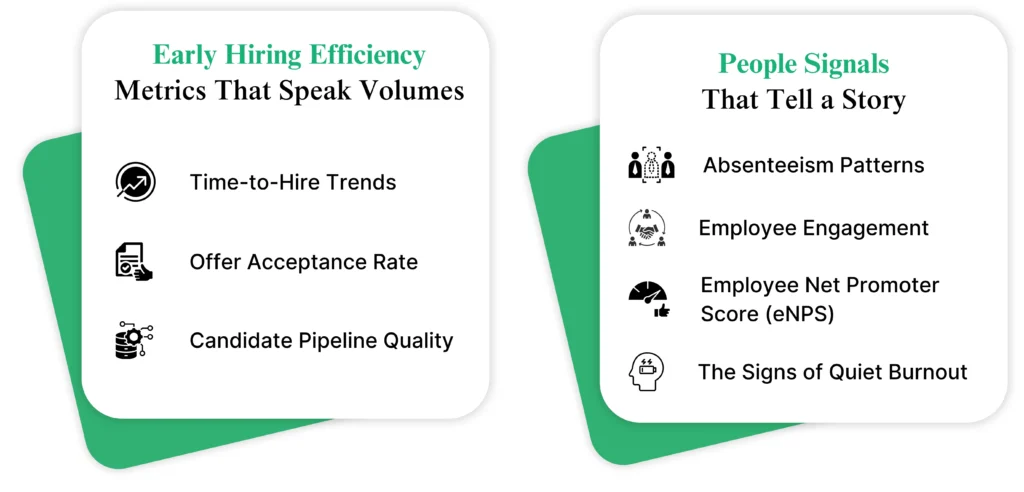
Early Hiring Efficiency Metrics That Speak Volumes
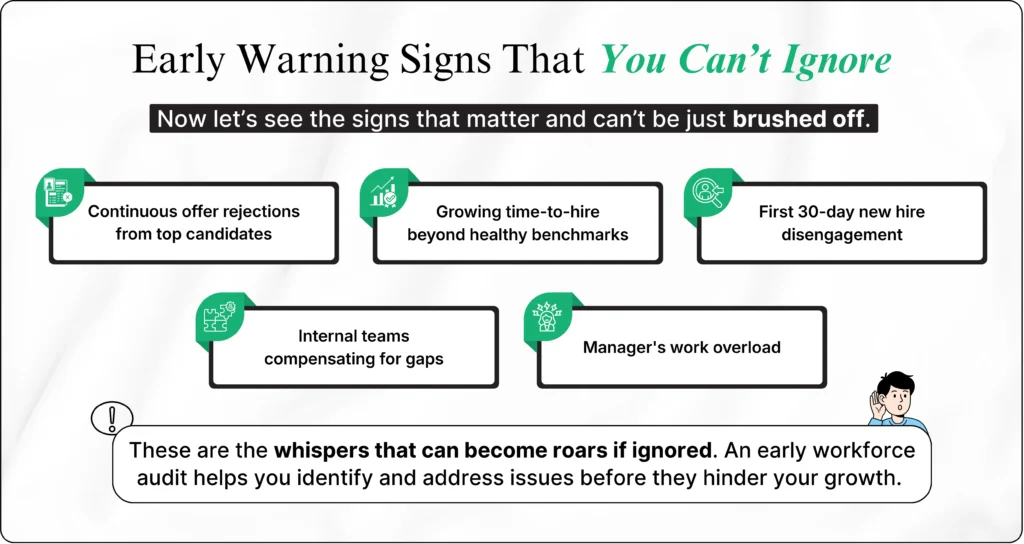
You are sending out offer letters, but the top candidates aren’t getting back to you. Apparently, the pipeline is full, but the results are not showing it. What could be lacking here are the hiring efficiency metrics.
So let’s start with hiring because the first hires of the year will set the tone for the next twelve months.
These are some hiring efficiency metrics that you need to focus on in the first thirty days of the year.
Time-to-Hire Trends
Don’t just look at the average time-to-hire. It can be evaluated at any time of the year. Instead, look at the trend. It will give you a better idea of what needs to be improved now. Main things to notice about the time-to-hire trends are:
- Is it creeping up?
- Are certain roles taking longer than last year?
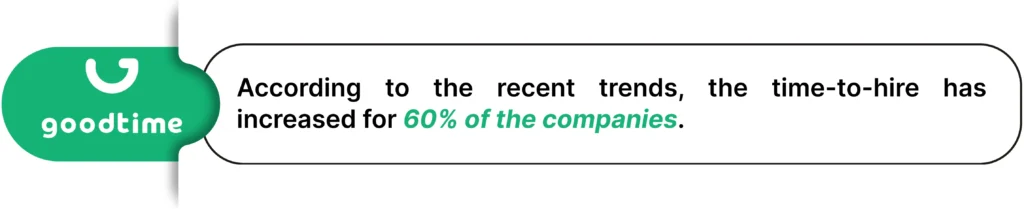
An increasing time-to-hire will point towards other hidden issues like slow approvals or any challenges with your candidate experience.
Offer Acceptance Rate
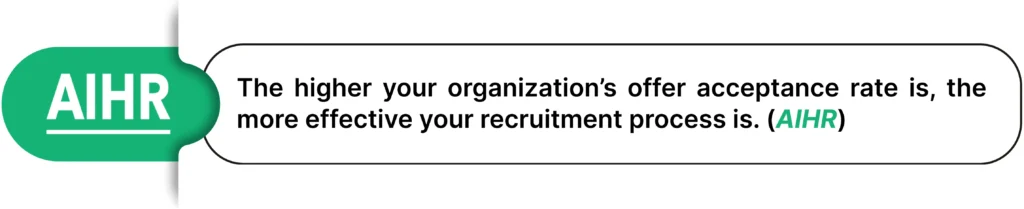
A low acceptance rate is your candidates’ way of sending you feedback. Maybe your value proposition isn’t clear. Maybe your culture doesn’t resonate with them. Or maybe the market trends have changed. Either way, this metric will tell you what your top talent is thinking.
Candidate Pipeline Quality
More applicants don’t always mean better outcomes. Focus on the quality of candidates and determine if they align with your culture and role requirements.
January is perfect for this, as you can see whether last year’s recruitment drew the right talent or just more resumes.
By understanding these metrics as early signals, you start to hear the story behind the data.
People Signals That Tell a Story
Now that we have seen the hiring efficiency metrics, let’s examine those who are already there and what employee retention metrics you need to look at in the first 30 days.
Absenteeism Patterns
Many people confuse absenteeism with the days missed; however, it’s when the absences are in a pattern. Occasional absences are normal, but repeated unplanned time off in certain teams or roles can signal workload pressure or disengagement.
Absenteeism rate = (Unplanned absence days ÷ total scheduled workdays) × 100
It will help you address these risks early with workload balance and better planning.
Employee Engagement
Engagement is how people show up every day. Ask these questions to understand better:
- Are they committed?
- Do they help each other?
- Are they consistent in their work?
The first few weeks of the year often tell a lot. Teams that feel supported and clear about their goals get back into rhythm quickly. Teams that feel confused or stretched may start shirking at work.
Simple check-ins or casual feedback conversations can help you catch these early signs before they turn into bigger problems.
Employee Net Promoter Score (eNPS)
eNPS tells how employees feel about their workplace. You can calculate it by asking if they would recommend the organisation as a place to work. The employees’ answers will tell you how they feel about the organisation’s alignment and culture.
eNPS = % of promoters – % of detractors
A strong score reflects confidence and loyalty, while if it’s on the low side, it shows the gap between leadership intent and employee experience.
The Signs of Quiet Burnout
Burnout is sneaky. People keep delivering but quietly run out of steam. Managers may feel stretched, and your top performers may start showing frustration or fatigue.
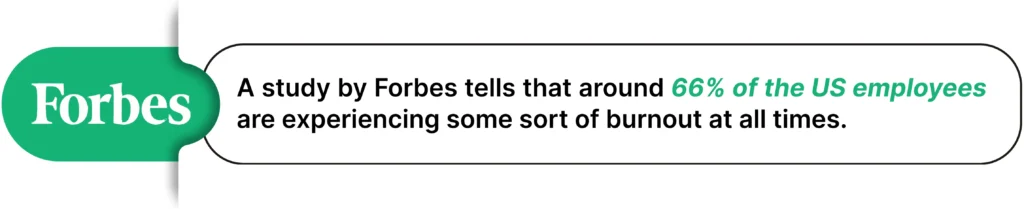
Watching for burnout in the first 30 days matters because early signs are easier to address. Little things like adjusting workloads, clarifying priorities, and checking in one-on-one can make a huge difference.
Noise vs. Signal: What You Should Ignore in The First 30 Days
January is a month when things are just settling down, and you are getting the hang of it. So there are a few things that you can overlook and not be too critical about them.
- One-week productivity dips
- Slow return after holidays
- Mild absentee rise
- Early backlog stress
These things are not something you need to stress over. These are seasonal, not systemic. A good workforce health check helps you differentiate between what’s normal and what actually deserves your attention.
What To Do Next: Tools That Can Help
The real success of a January workforce health check is in what you do next. There are no instant fixes to it; you need to have an action plan to fix whatever is lacking. Here are some tools that can help you with it.
The goal is not to fix everything at once but to prevent fires later on. These tools will act as a stethoscope, helping you listen more carefully before it blows up into something big.
Set The Tone For 2026
By the time you reach February, the first 30 days have already done their work.
A workforce health check in January will give you clarity and spot the early friction points before they become crises.
Make sure you do this well, and your team will enter 2026 stronger with calmer and thoughtful decisions. In the first month of the year, listening is more powerful than reacting, and a small, practical workforce audit can set you up for a whole year of success.
FAQs: Business Reset Strategy 2026
A workforce health check is a structured analysis of hiring, engagement, and team capacity to find any early risks. It will help you identify workforce issues before they impact team performance.
A workforce audit looks backward towards policies, compliance, headcount, and previous performance.
While the workforce health check is forward-looking. It brings together workforce data, recruitment KPIs, and HR diagnostics to identify any early warning signs that could impact the year ahead.
- Time-to-hire trends
- Offer acceptance rate
- Candidate drop-off rates
- Quality of hire indicators
These metrics tell whether your hiring is healthy or struggling.
- Hiring stage conversion rates
- New hire engagement
- Time to productivity
- Hiring manager satisfaction
- Candidate experience feedback
A workforce health check leads to clearer hiring priorities, stronger workforce planning, reduced risk of burnout, and better-informed leadership decisions.